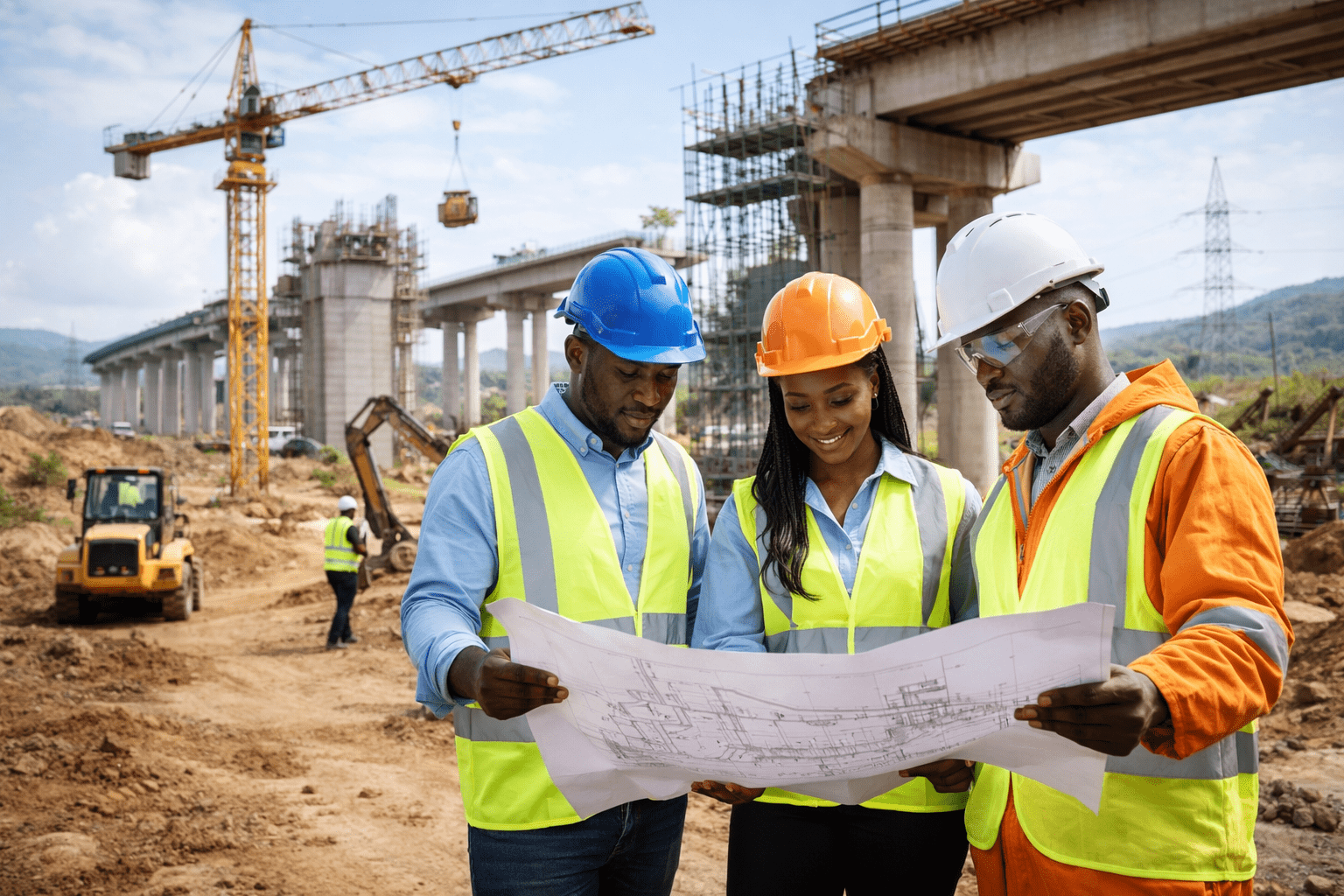
Africa’s infrastructure gap stands at 170 billion dollars each year, making it one of the largest investment opportunities in the world today.
But this figure is not just a measure of what is missing. It is, more importantly, a measure of what is possible. Depending on how it is approached, it represents one of the largest investable opportunities in the global economy today.
This November in Accra, Powered by Africa-Accra Delegation will bring together leaders, investors, and networks positioned to close this gap. The Accra Delegation is a deal-making platform where conversations turn into commitments and capital moves from pipeline to delivery. It is designed not as a forum for discussion alone, but as a platform where dialogue translates into decisions and capital is deployed with purpose. It comes at a moment when Africa’s infrastructure ambition is both urgent and achievable.
The scale of the continent’s infrastructure needs is matched by the scale of its potential return. Research from the OECD suggests that sustained annual infrastructure investment of 155 billion dollars through to 2040 could double Africa’s GDP and accelerate its transition toward more productive, industrialized economies. The Boston Consulting Group offers an even sharper perspective, suggesting that for every 1 billion dollars invested in African infrastructure, up to 6 billion dollars in GDP value can be unlocked. This return is driven not only by direct economic activity but also by improved productivity, job creation, enhanced logistics, and expanded access to essential services.
Africa’s population is projected to reach 1.7 billion by 2030, while urbanization continues at a rate of around 4 percent annually. The continent is already home to some of the fastest-growing cities in the world, and demand for infrastructure is rising in tandem. Digital infrastructure alone is expected to grow at over 11 percent annually, reflecting the increasing centrality of connectivity in modern economies. At the same time, the African Continental Free Trade Area is creating a single market of 1.4 billion people, a transformation that will require significant investment in transport and logistics to fully realise its potential.
Africa is not short of capital. The continent holds more than 1.1 trillion dollars in domestic capital across pension funds, insurance assets, public development banks, and sovereign wealth funds.
As highlighted in the Africa Finance Corporation’s 2025 State of Africa’s Infrastructure Report, the core challenge is structural. Bankable project pipelines remain limited, public-private partnership frameworks are often underdeveloped, and policy environments lack the coordination needed to attract sustained investment. Closing the infrastructure gap, therefore, is not simply about raising capital. It is about building the architecture that allows capital to flow with confidence.
This is precisely where the Powered By Africa – Accra Delegation becomes significant. It is designed to bring together policymakers, investors, and operators in a way that enables alignment across these critical elements. It creates a space where strategy, capital, and execution can converge.
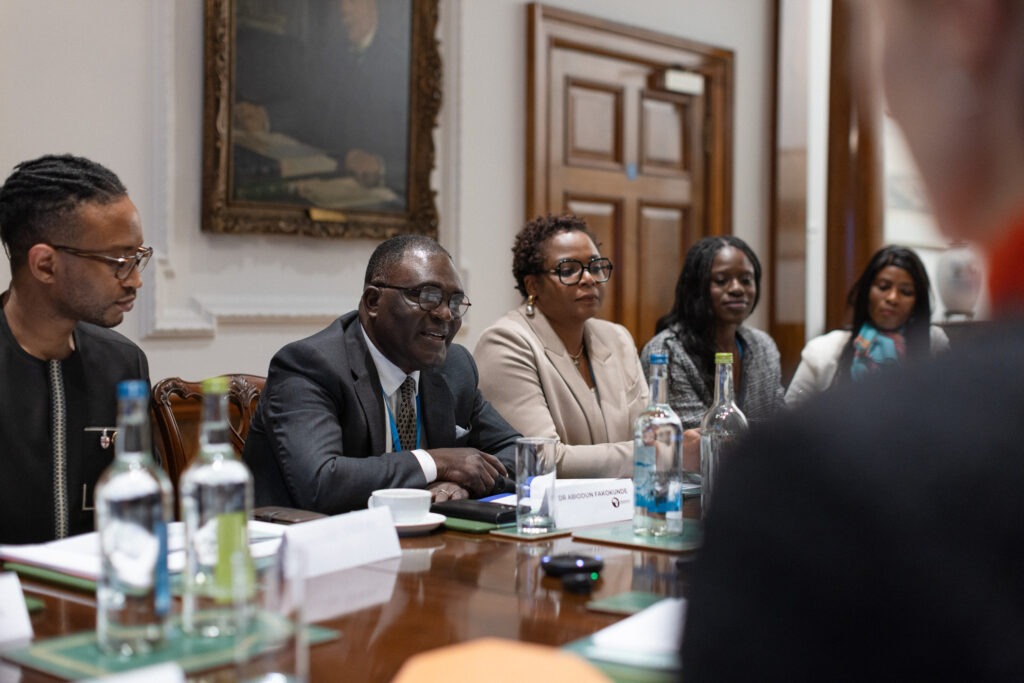
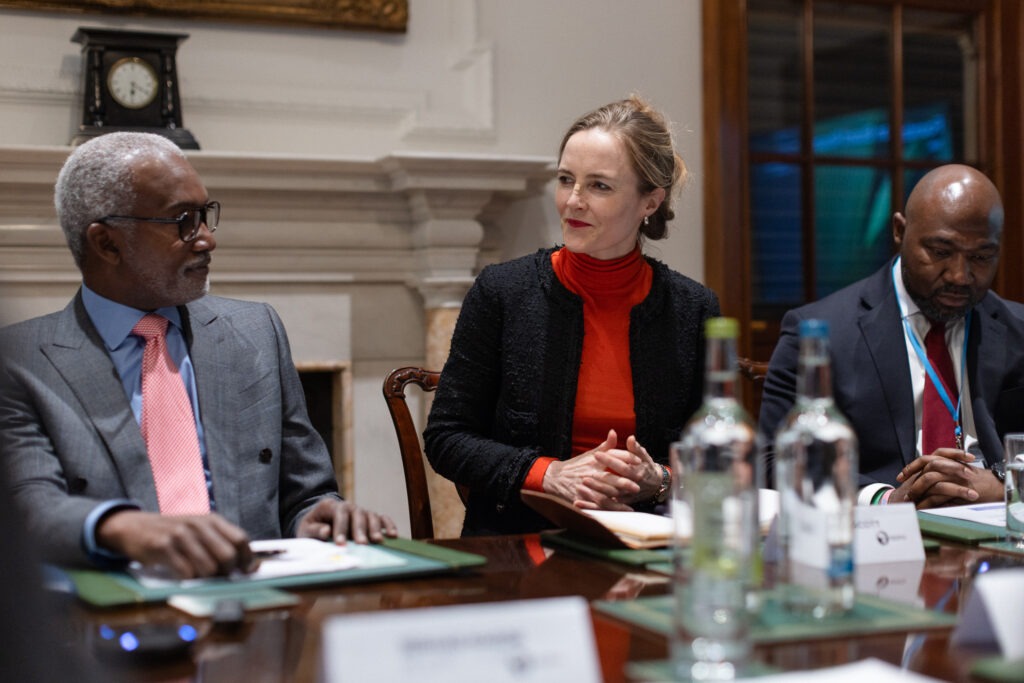
Global dynamics are shifting in ways that favour this alignment. The United Kingdom, for example, has recently repositioned its engagement with Africa through a strategy focused on partnership and investment. In December 2025, the UK government outlined a new approach that places African leadership at its center, signaling a more balanced and commercially oriented relationship. This shift is already being reflected in strengthened trade partnerships, infrastructure collaboration, and increased capital deployment through institutions such as British International Investment and UK Export Finance.
Within this evolving landscape, London serves not as an endpoint but as a corridor. Capital, expertise, and networks flow through global financial centers, connect with diaspora communities, and ultimately find expression in on-the-ground opportunities. The Accra Delegation represents the point where these flows converge, where global interest meets local execution, and where conversations move toward commitment.
Infrastructure, however, is not built by capital alone. It is driven by people. Engineers who design and deliver projects, policymakers who shape enabling environments, financiers who structure deals, and entrepreneurs who create solutions at scale all play critical roles in advancing Africa’s development. Recognizing this, Powered by Africa will unveil its Top 100 Influential Africans in Infrastructure during the Accra Delegation, aligning with the UN Day for African Industrialization in November.
The Accra Delegation is not a standalone event but part of a larger platform designed to connect African policymakers with global capital and diaspora networks with tangible opportunities. It represents an effort to build a sustained system of engagement that extends beyond a single gathering and contributes to long-term economic transformation.
The gap between what is needed and what is being deployed remains significant, but it is narrowing. What is required now is coordination at scale, leadership that can align interests, and platforms capable of translating intent into action.
That platform will take shape in Accra in November 2026. It is there that decisions will be made, partnerships formed, and capital mobilised. It is there that Africa’s infrastructure story will move from potential to execution. And in that transition lies one of the most important investment opportunities of our time.