For decades, Africa has been described as a “frontier market”, a place of untapped potential, future and opportunity. That framing no longer holds. The data tells a different story. Africa is no longer a frontier waiting to be discovered. It is already shaping the global economy in real and measurable ways.
Economic growth across the continent is projected to reach 4.0% in 2026 and 4.1% in 2027, outpacing the global average of 2.7%. This is not a temporary surge but a pattern of resilience that has held even through successive global shocks. East Africa is expected to lead with a growth rate of 5.9%, while West Africa, home to economies such as Ghana and Nigeria, is projected to expand at 4.3%. These figures point to a continent that is not only growing but doing so with consistency and increasing confidence.
Equally significant is the role of Africa’s diaspora. In 2024, over 96.4 billion dollars flowed into the continent through remittances, nearly twice the level of official development assistance. This is not only charity. It is capital, directed intentionally by millions of Africans abroad who remain deeply invested in the continent’s future. If transfer costs are reduced in line with global targets, the World Bank estimates that remittances to Africa could reach 500 billion dollars annually by 2035. This represents one of the most powerful and decentralised financial networks in the world.
As Kevin Urama, vice president of the African Development Bank, has noted, when Africa allocates its own capital effectively, global capital will follow to accelerate investments in productive sectors.
The most consequential factor shaping Africa’s future, however, is demographic. By 2050, more than 600 million people will join Africa’s working-age population, marking the largest and fastest labour force expansion in modern history. By that point, one in every four people globally will be African, and one in three young people in the world will be African. At a time when most regions are ageing, Africa stands alone as the only continent with a rapidly expanding workforce. This is not just a demographic trend; it is a defining feature of the future global economy.
The Accra delegation, and why now?
The choice of Accra as the host city for the Powered by Africa delegation is both symbolic and strategic. Ghana’s capital has long been a beacon of democratic governance, cultural identity, and pan-African ambition. It is home to a thriving fintech ecosystem, a rapidly growing creative economy, and a deeply engaged diaspora community.
In 2024, Ghana received $4.6 billion in remittances, marking a 91% year-on-year increase. This surge reflects what is possible when diaspora engagement is matched with clear policy direction and national ambition.
The timing is equally critical. Global capital is actively searching for new growth markets, while African economies continue to demonstrate resilience and upward momentum. The African Continental Free Trade Area (AfCFTA) headquarters in Accra, Ghana, remains one of the most ambitious trade agreements in modern history, creating a single market of 1.4 billion people.
The way Africa is framed directly influences how it is engaged. The Powered by Africa Campaign represents a deliberate narrative that ce
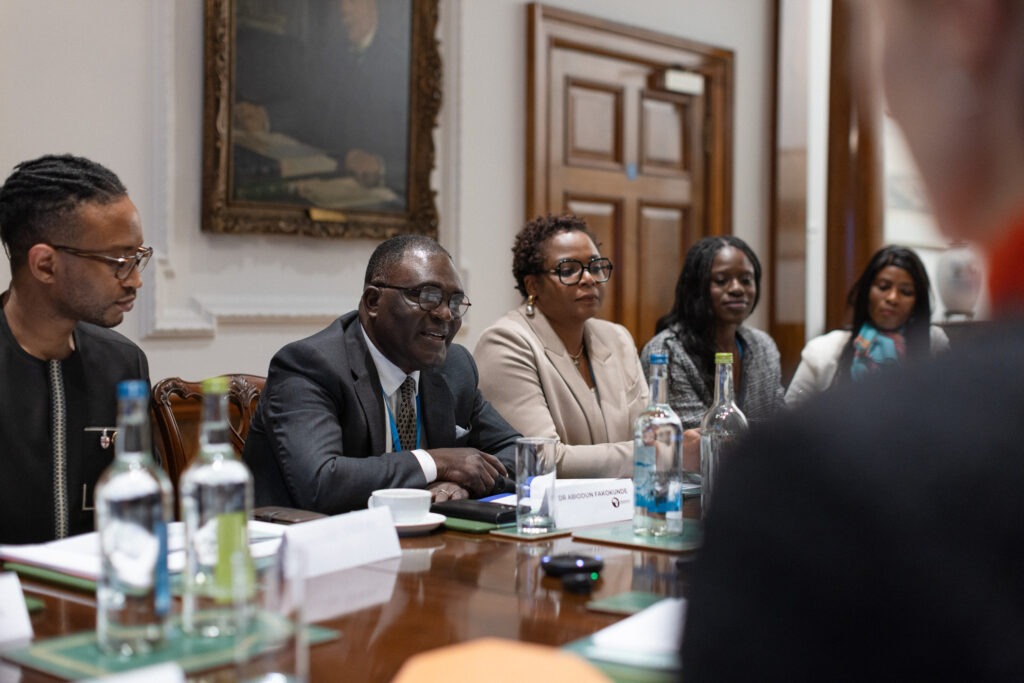
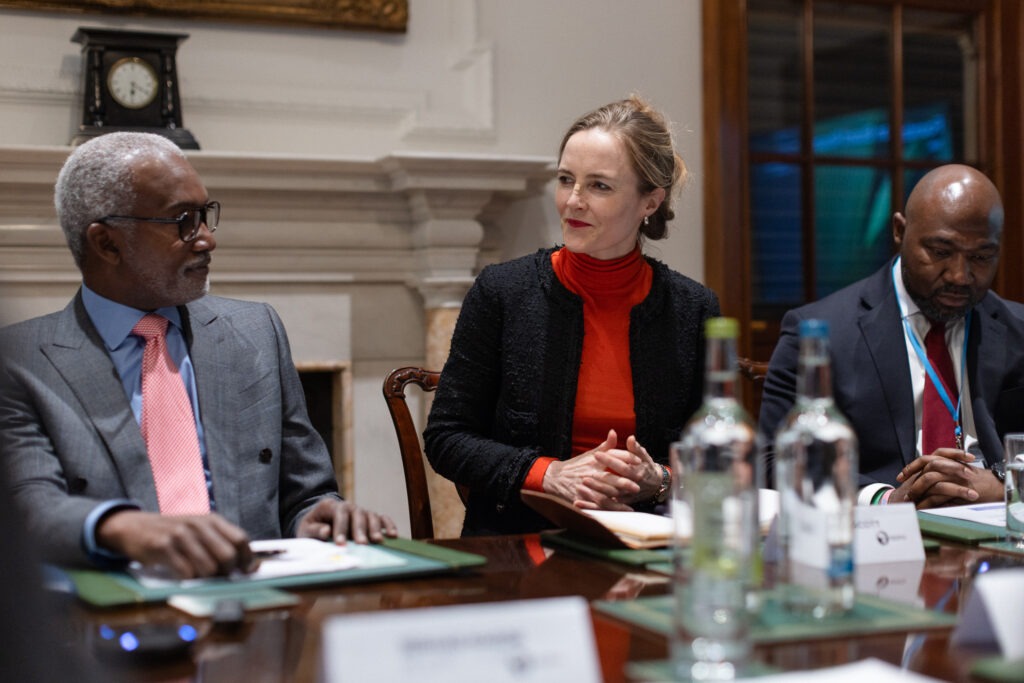
ntres African innovation, governance, and ambition as drivers of global progress. And with the Accra delegation, it will serve as a platform to reframe moves from narrative to action. It is designed as a platform where conversations translate into outcomes. It brings together leaders, investors, policymakers, and members of the diaspora to engage in meaningful dialogue, form partnerships, and unlock investment opportunities that extend beyond the duration of the event.
At the same time, the challenges facing the continent are real. Each year, more than 10 million young Africans enter the labour market, yet current economic systems generate only around 3 million formal jobs. This gap is significant, but it also underscores the scale of the opportunity. Addressing it will require coordinated efforts across investment, infrastructure, and policy. It is precisely why platforms such as the Powered By Africa – Accra delegation is necessary.
Ultimately, the delegation is intended as a space for participation and decision-making. It brings together individuals from across the world who are connected to Africa’s future, whether as policymakers, investors, entrepreneurs, or members of the diaspora. It is not designed for passive observation but for active engagement in shaping outcomes.
Africa has always been powered by its people. What is changing is the extent to which that reality is being recognised globally. November in Accra represents a moment where that recognition is translated into action, where partnerships are formed and where Africa’s role in the global economy is actively defined.